Seaport District · Office space · Lease, buy or market
Seaport District office space.
A fit for your business.
Looking for Seaport District office space? Tell our commercial team your preferred area, business use, size, budget and occupancy date.
Amo Realty - Boston City Properties
Ask about Seaport District office space.
Your contact details
This inquiry goes to our commercial team. It is not a lease application, reservation, financing approval or municipal permit request.
Choose the location.
Inspect the actual office.
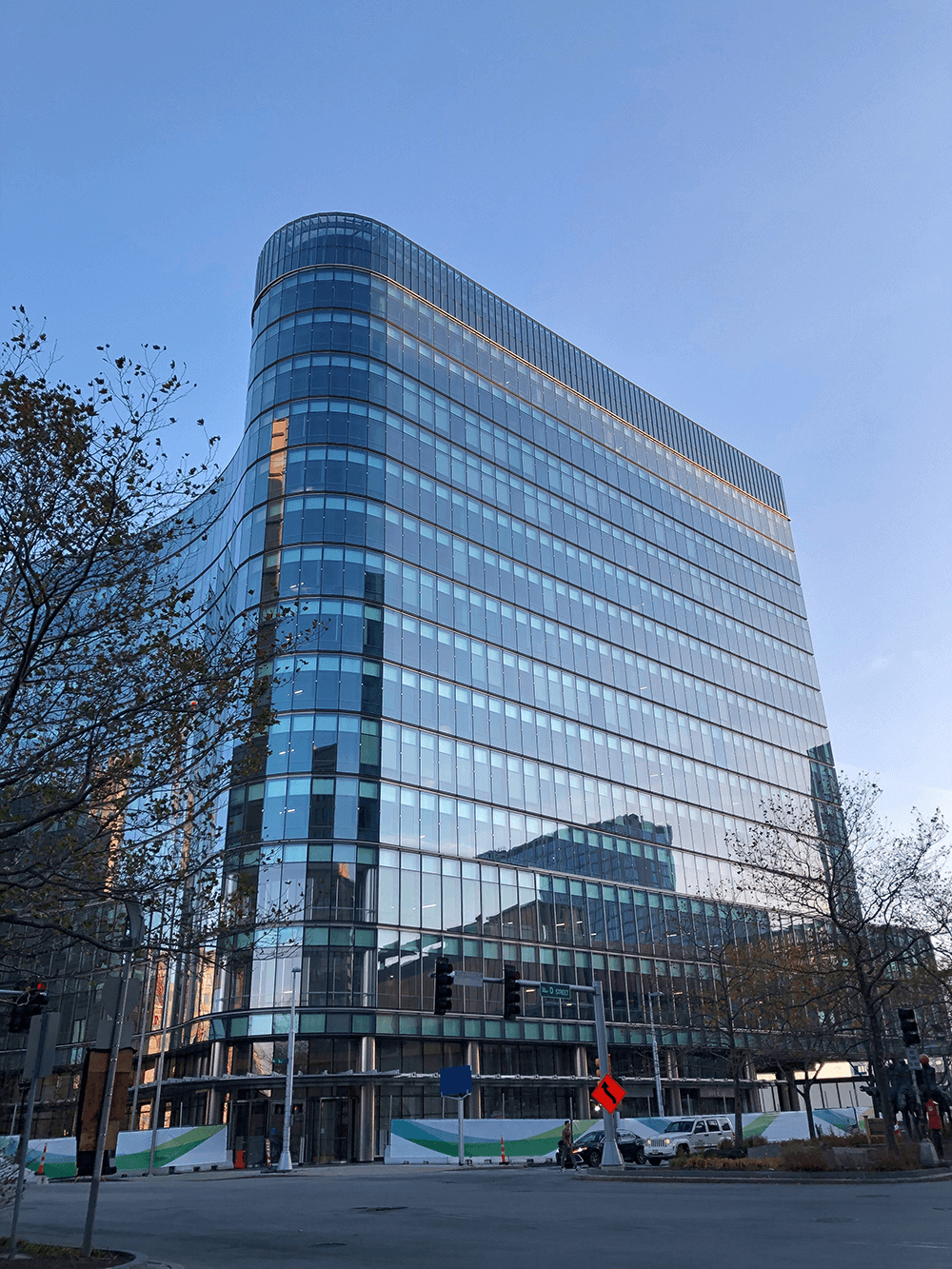
This search concerns Boston’s Seaport District and South Boston Waterfront. Include the exact address or your preferred part of Fort Point or Fan Pier and compare the complete staff and visitor journey. Inspect an older converted building or newer office by its actual layout, systems and services, not a neighborhood reputation.
Ask our team about a specific address or your search criteria. Availability and terms need a current property-by-property check.

Compare before committing
The office.
The agreement. The costs.
Choose private, shared or virtual workspace
A private office, coworking desk and virtual address are different products. Ask about privacy, meeting rooms, internet, access and the space you can actually occupy. A virtual mailing address alone does not provide a physical office.
Check the workspace package and duration
For coworking, ask whether hourly, daily, weekly or longer arrangements are offered and what each includes. Compare the actual agreement with a conventional lease or purchase. Do not assume a neighborhood-wide supply or a right to cancel without obligations.
1. Set a whole occupancy budget
Add utilities, insurance, services and fit-out to the rent. Compare the payment period and usable area for each proposal. A quoted rent alone does not describe the complete cost.
2. Test staff and customer access
Check the exact route, entrance, parking and required arrival times. Consider deliveries and visitors as well as staff. A central or waterfront address is not automatically convenient for everyone.
3. Define the area you need
Set a minimum and maximum usable area, layout and growth allowance. Inspect the rooms and systems before relying on an office class label. More space is not always a better fit for the business.
4. Research the landlord and premises
Ask about repairs, access hours, services and existing occupants. Where appropriate, speak with current tenants about day-to-day operations. Photographs and descriptions do not settle condition or permission questions.
5. Compare and negotiate proposals
Discuss rent, services, repairs, fit-out and any concessions using the actual offering. Keep essential requirements separate from preferences. Negotiation does not guarantee a discount or a particular term.
6. Review the lease length and exit terms
Compare the commitment with the company’s plans. Ask about renewal, assignment and obligations if the business grows or moves. A short-term workspace arrangement is not the same as a conventional lease.
7. Have an attorney review the documents
Ask your attorney to review the agreement, charges, use restrictions, responsibilities and exit provisions before signing. Our commercial team can help organize comparisons and visits from your location, size, feature, budget and timing requirements.
Compare the building, not just its class
Class A, B and C labels can help organize an office search, but they do not establish a particular building’s condition or suitability. Compare the actual suite, elevators, heating and cooling, security, management, parking and internet service. Ask which services are included and which cost extra.
Consider buying without assuming a return
If you expect to occupy the property for years, compare a purchase with leasing. Review financing, taxes, insurance, maintenance and required improvements with the appropriate professionals. Ownership does not guarantee lower costs, tax savings or appreciation; renting unused space to others also requires review of the property and agreement.
Market your office property
If you own an office suite, building or mixed-use property, send our team its address, floor area, current use, occupancy and your sale or leasing plans. We can discuss how to describe the premises and compare relevant properties. Do not treat an old asking price, regional vacancy figure or growth forecast as today’s value.
Before you sign or start work
Your use.
The written terms. The approvals.
Discuss the office with our commercial team. Ask your attorney to review the agreement, your lender about financing and the municipality about the approvals for your business. A location guide does not settle those property-specific questions.
An office for your work.
A plan for your property.
Send the address or search area, business use, size, budget and timing.