Amo Realty - Boston City Properties
Seaport Retail Space: Commercial Purchases and Leases
Discuss commercial property with Amo
Help buying or leasing commercial propertyYour contact details
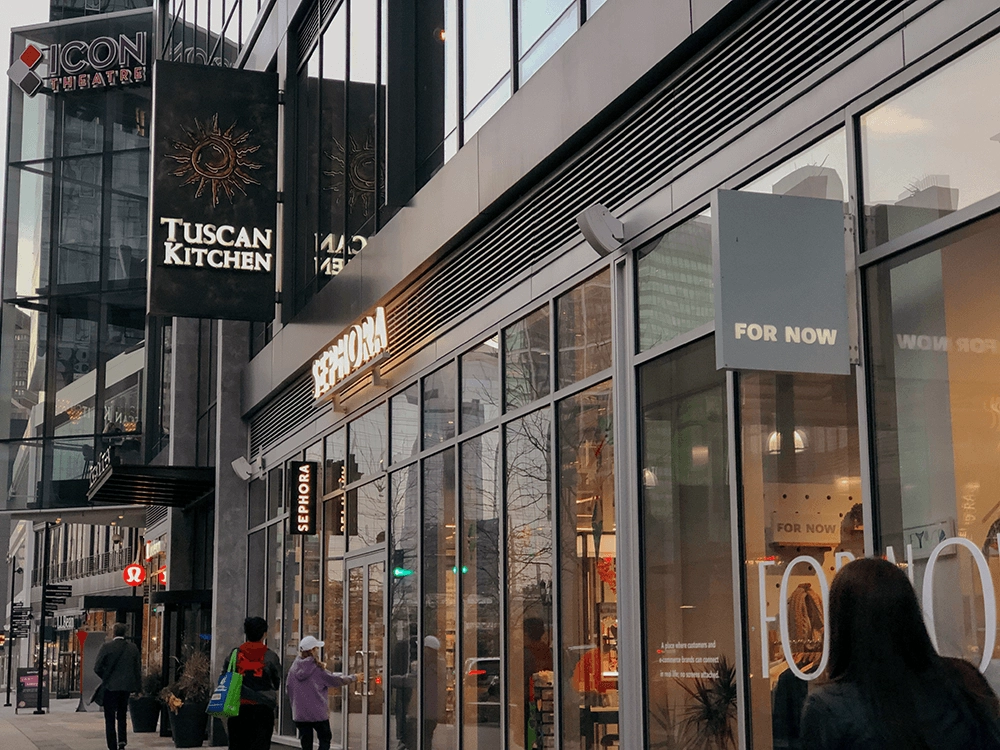
Industrial reuse and newer mixed-use space
The Seaport’s commercial discussion combines older industrial buildings with retail in newer mixed-use projects. A showroom in a former warehouse and a shop beneath housing or offices can have very different access, servicing and build-out requirements.
Start with the business activity and the exact entrance. Customer visibility, loading, back-of-house space and the permitted use are more useful than assuming every waterfront property works for the same tenant.
Drydock Avenue and Boston Wharf Road
The source’s earlier examples included 21–25 Drydock Avenue, described through its industrial scale and loading features, and a proposed newer project at 2 Drydock Avenue. These are distinct buildings and planning discussions.
At 22 Boston Wharf Road, the account emphasized a renovated older property. Any sustainability rating, renovation date or operational capability should be checked for the actual space being considered, rather than carried over to the whole neighborhood.
Summer Street, Melcher Street and Black Falcon
The article described 250 Summer Street as an early-twentieth-century commercial building. It also cited historical transactions at 51 Melcher Street in 2014 and 88 Black Falcon Avenue in 2017.
Those transactions illustrate investment activity at the time, not current asking prices. Compare a particular property’s usable layout, services and condition separately from a historic purchase elsewhere.
Housing, hotels and commercial projects
The older discussion included housing and hotel proposals on Northern Avenue and Congress Street, along with Echelon and the convention-center area. Residential counts in these examples should not be treated as a retail-space inventory.
A shop may depend on nearby residents, workers and visitors in different ways. Consider the hours and access relevant to the proposed business without assuming a project’s forecast customer base has been delivered.
Institutions and public-space plans
The source discussed MassMutual’s 2018 office investment, a WPI project center on Congress Street, cultural-space proposals at 50 Liberty and a Seaport Square library-funding concept. These were distinct historical developments.
Institutional activity and shared outdoor space can shape the surroundings of a commercial property. The actual unit still needs its own questions about signage, outdoor seating, deliveries and building rules.
Buying versus leasing
For a lease, separate base rent from operating charges, utilities, build-out costs and any shared-area obligations. For a purchase, examine the premises, ownership structure and future maintenance exposure.
Older neighborhood rent averages and development forecasts are not reliable substitutes for the terms of a specific agreement. Ask the relevant advisers to review use approvals and documents before relying on a proposed configuration.
Describe the retail request
Ask Amo Realty / Boston City Properties about buying or leasing Seaport retail or commercial space. Name preferred streets, expected customer activity, floor area, ceiling or loading needs, storage and opening timing.
If the business needs a showroom, food service, production or another specialized use, say so at the outset. Those requirements should guide the property comparison rather than a general waterfront label.