



Posted By: Boston City Properties
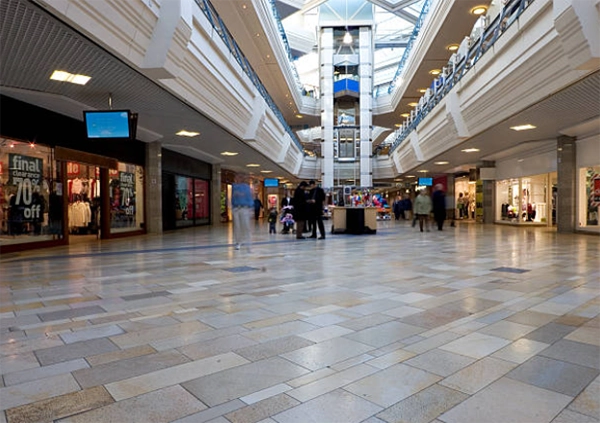
Boston City Properties’ February 2020 article discussed rising U.S. shopping-mall vacancy at the end of 2019. The underlying report measured a historical national market—not today’s Boston storefronts. Its figures need to be read with their dates and property types attached.
The mall vacancy figure—and a headline correction
Moody’s Analytics REIS reported a national mall vacancy rate of 9.7% for the fourth quarter of 2019 and called it the highest in ten years. Average mall asking rent was unchanged during the quarter at $43.53 per square foot. These are historical figures from the report, not current leasing terms.
The original BCP headline said “20-year high.” The primary report says ten years, so that claim has been corrected. The original body also said vacancy had “dropped” while describing an increase; this revision removes that contradiction. Read the January 2020 Q4 2019 Retail First Glance report.
Malls and neighborhood shopping centers were separate measures
The report put neighborhood and community shopping-center vacancy at 10.2%, separate from the 9.7% mall measure. Neither number should be labeled the vacancy rate for every kind of U.S. retail property. The report also noted differences between metropolitan areas, making the national average an incomplete guide to any one location.
Store closures did not mean every space stayed empty
The original article focused on store closures and competition from online shopping. The primary report also described replacement tenants, including grocery stores, fitness businesses and entertainment uses. A closure can change a center’s tenant mix without leaving that space vacant indefinitely.
That distinction matters when reading a broad retail headline. Mall vacancy, consumer spending, a retailer’s sales and a particular landlord’s asking rent answer different questions. They cannot be substituted for one another.
What this means for a Boston retail search
The 2019 national figures do not establish a Boston property’s present rent, vacancy or suitability for your business. For a specific space, compare its address, floor area, permitted use, delivery condition and lease charges. Ask what work would be needed before opening and which costs are included in the quote.
If you are comparing a shopping center with a street-level storefront, look at each property’s actual access, visibility and neighboring uses. An old national mall trend is background—not evidence that one of those locations will perform better.
Discuss a Boston commercial property
Contact Amo Realty’s Boston City Properties commercial team with the neighborhood, business use, approximate square footage and budget you have in mind. State whether you want to lease space or purchase property so we can understand the search.
Ask our commercial real estate teamContact Boston City Properties