New - 15 Mins Ago


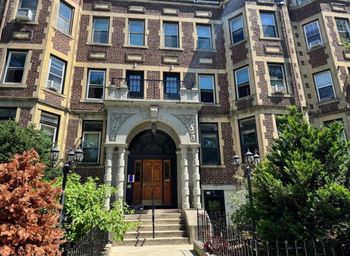


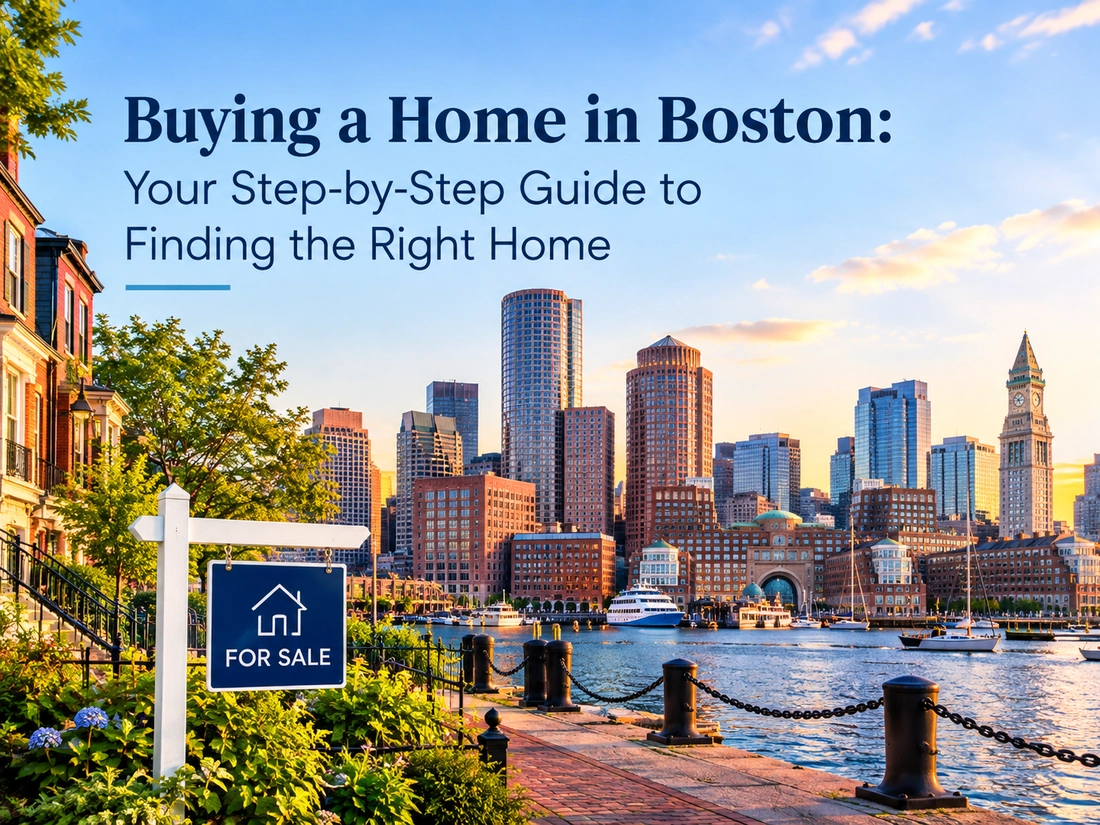
Buying a home is one of the biggest decisions you’ll make, and purchasing a property in Boston can be especially exciting. From historic brownstones and charming neighborhoods to modern condos and suburban-style homes, Boston offers a wide range of options for different lifestyles and budgets.
However, finding the right home involves more than simply browsing listings. Understanding your finances, choosing the right neighborhood, evaluating properties, and navigating the offer and closing process can make your home-buying journey much smoother.
If you’re thinking about buying a home in Boston, this step-by-step guide can help you understand what to expect along the way.
Before you start looking at homes, it’s important to understand how much you can comfortably afford.
Your budget should include more than the purchase price. Consider expenses such as:
Getting pre-approved for a mortgage can also help you understand your purchasing power. A pre-approval gives you a clearer idea of your price range and can make your offer more competitive when you find the right property.
Remember that the amount a lender is willing to approve is not necessarily the same as the amount you should spend. Choose a monthly payment that fits comfortably within your overall financial plans.
Once you have a budget, think about what you actually need from your new home.
Start by separating your preferences into must-haves and nice-to-haves.
For example, your must-haves might include:
Your nice-to-haves could include a renovated kitchen, fireplace, balcony, finished basement, or additional storage.
Knowing your priorities will make it easier to narrow down your options and avoid getting distracted by properties that don't meet your essential requirements.
Choosing the right neighborhood can be just as important as choosing the right house.
Boston has many distinct neighborhoods, each with its own character, housing options, amenities, transportation access, and lifestyle.
Depending on your priorities, you might consider areas such as Back Bay, Beacon Hill, South End, Jamaica Plain, Charlestown, Dorchester, West Roxbury, Roslindale, or other nearby communities.
When comparing neighborhoods, think about:
Try visiting neighborhoods at different times of day. A location that feels perfect during a weekend afternoon may feel very different during weekday rush hour.
Once you know your budget and preferred areas, you can begin searching for properties.
Online listings are a great starting point for understanding what's available. You can compare properties based on price, location, bedrooms, bathrooms, property type, square footage, and other features.
However, don't focus only on the listing photos.
Pay attention to:
Working with a local real estate professional can also help you identify properties that fit your criteria and provide additional context about neighborhoods and individual homes.
Photos and virtual tours can help you narrow down your choices, but seeing a property in person is an important part of the buying process.
During a showing, look beyond the staging and décor. Pay attention to the condition of the property.
Check things such as:
For condos, also consider the condition of the building and common areas. Ask about building maintenance, monthly fees, rules, amenities, and any planned assessments or major projects.
It can be easy to become emotionally attached to a home, especially when you find one that looks perfect.
Before making a decision, compare it objectively with other properties you've seen.
Create a simple list comparing factors such as:
| Factor | Property A | Property B | Property C |
|---|---|---|---|
| Price | |||
| Bedrooms | |||
| Bathrooms | |||
| Location | |||
| Parking | |||
| Monthly Fees | |||
| Property Condition | |||
| Commute | |||
| Outdoor Space |
This can help you identify which property best matches your priorities rather than making a decision based solely on first impressions.
When you find the right home, the next step is making an offer.
Your real estate agent can help you evaluate the property's asking price, recent comparable sales, market conditions, and other factors when preparing your offer.
Your offer may include more than just the purchase price. Depending on the situation, it can also address items such as:
In a competitive market, buyers may be competing with multiple offers, so understanding the terms of your offer is important.
Once your offer is accepted, you'll typically move into the due-diligence portion of the process.
A home inspection can help identify potential issues that may not be obvious during a showing.
Depending on the property, you may want to pay particular attention to:
For a condo, review the building's documents, financial condition, rules, assessments, and other relevant information.
The goal isn't necessarily to find a perfect property—few homes are perfect—but to understand what you're buying and what expenses or maintenance may be involved.
After the offer is accepted, you'll continue working with your lender to finalize your mortgage.
Your lender may request additional financial documents and information before issuing final loan approval.
You'll also need to prepare for closing costs. These can include various lender, legal, title, recording, and other transaction-related expenses.
Your real estate and lending professionals can help explain the specific costs associated with your purchase.
Before closing, you'll typically have an opportunity to conduct a final walk-through of the property.
This is your chance to make sure the property is in the expected condition and that agreed-upon items or repairs have been completed.
Check that:
If something appears different from what you expected, bring it to your real estate professional's attention before closing.
Once all requirements have been completed, you'll reach the closing stage.
You'll review and sign the required documents, complete the financial transaction, and receive the necessary documentation for your new home.
After closing is complete, you can finally get the keys and begin the next chapter in your new home.
The right home isn't necessarily the biggest, newest, or most expensive property you can afford. It's the home that fits your lifestyle, budget, priorities, and plans for the future.
Take time to understand your finances, explore different Boston neighborhoods, compare properties carefully, and ask questions throughout the process.
Whether you're buying your first home, relocating to Boston, or looking for your next property, having the right information and professional guidance can make the journey much easier.
Your dream home may be closer than you think. Start exploring Boston properties, discover neighborhoods that fit your lifestyle, and take the next step toward finding a home that's right for you.